Dehorning Programme
To reduce the risk of rhino poaching by safely and humanely removing rhino horns under veterinary supervision, giving KwaZulu-Natal's rhino populations a stronger chance of survival. GPS collars may also be fitted, helping reserves monitor rhino movements.
A critical intervention to buy time for rhino survival
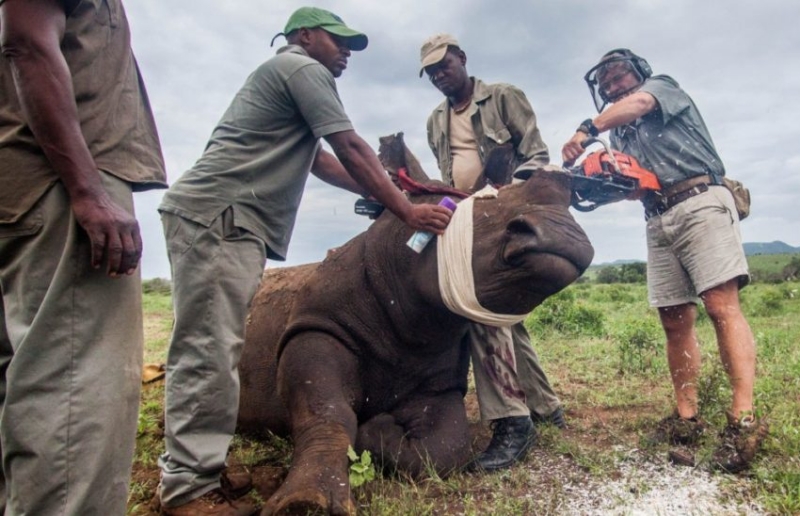
In 2017, Project Rhino launched the Rhino Dehorning Programme following urgent requests from member reserves facing relentless poaching threats. The goal is to support the dehorning of approximately 200 rhinos each year across KwaZulu-Natal.
Although dehorning alone cannot make rhinos completely immune to poaching, it has significantly reduced losses and, in many areas, successfully shifted poachers away from treated populations. By reducing reward for poachers, the programme helps buy valuable time in the ongoing fight to save this iconic species.

A carefully managed process built around animal welfare and security
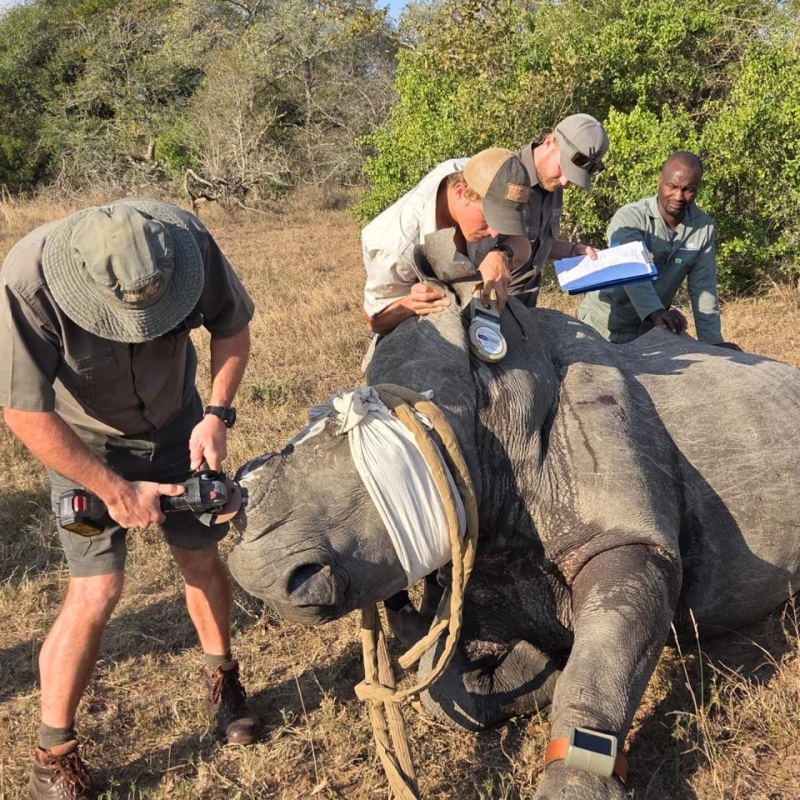
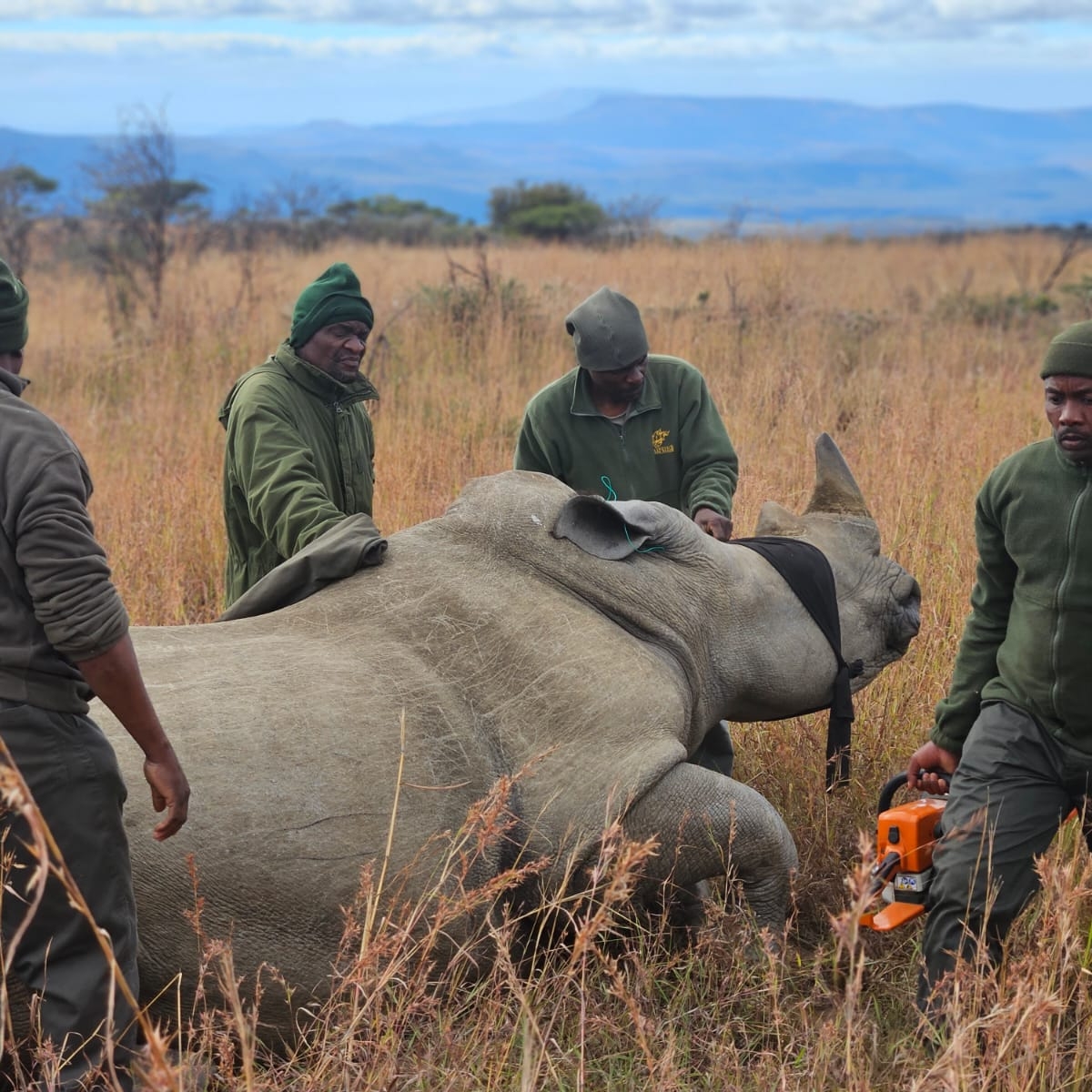
Dehorning is led by specialist teams and individual reserves, with Project Rhino helping secure the support needed to keep these interventions going.
Reserve-led operations
Dehorning operations are managed by member reserves, while Project Rhino provides fundraising support wherever possible.
Tracking and sedation
Rhinos are typically located from the air and darted by a qualified wildlife veterinarian, while a helicopter helps guide the animal safely away from hazards.
Strict animal welfare protocols
Every precaution is taken to minimise stress and risk to the rhino, with veterinary supervision and ground teams on standby throughout the procedure.
Costs and resources
Operations include helicopter support, veterinary fees, sedation drugs and conservation teams on the ground. Costs can be reduced when multiple rhinos are dehorned in one day.
Temporary measure
Dehorning is a short-term solution because horns grow back, which means interventions usually need to be repeated every second year or so.
Funding dependent
Dehorning can only take place when sufficient resources are secured, making ongoing donations and sponsorships critical to keeping rhinos safe.
What each intervention helps cover
Every contribution helps fund the specialised teams, equipment and logistics needed to carry out safe and effective dehorning operations.
Help keep rhinos safer for longer
Dehorning remains a critical lifeline for KwaZulu-Natal's rhino populations and is helping buy time in the ongoing fight against extinction.
Donate or fundraise
Support dehorning operations, veterinary care and reserve interventions that help protect rhinos on the ground.
Corporate involvement
Sponsor and, where possible, attend a dehorning as a direct way to support rhino conservation, subject to availability and strict security terms and conditions.
Spread the word
Follow Project Rhino on social media and share conservation stories to help raise awareness and reach new supporters.
Stand with rhinos in the fight against poaching.
Every donation helps fund practical interventions that reduce risk and give rhino populations a stronger chance of survival.